The run See every episode
Featured characters
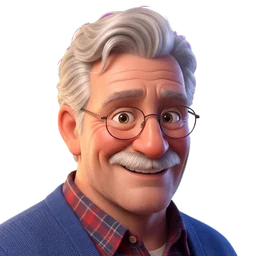

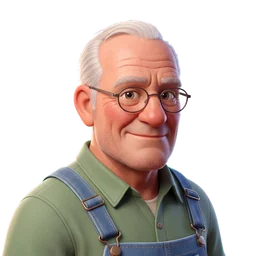
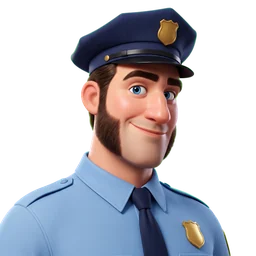


Minor characters & crew 7 more roles
The story
Read the full synopsis 3 min
Connie Kendall rushes into Whit's End with an apology ready, certain that the man hammering away under the counter must be Whit. It isn't. It's Tom Riley, and when Connie asks where Whit has gone, Tom tells her he is at the cemetery. Four years ago on this very day, Whit's wife, Jenny, died.
Connie has never heard the whole story, so Tom tells it. Jenny Whittaker had fiery red hair, hazel eyes that snapped when she spoke, and more energy than anyone in town. There was hardly a good cause in Odyssey she wasn't involved in. And Whit's End, Tom says, was her idea in the first place.
Back then, Whit had just retired after almost thirteen years of teaching at McCollum Junior High, where he was good enough to win an award for excellence in education. Tom had heard of him but didn't really know him until Jenny came before the city council to fight for an old, unused recreation building called the Fillmore.
At the hearing, councilman Philip Glossman picked Jenny's argument apart. The Fillmore wasn't the oldest building in town, or even one of the oldest, so it had no historical value worth protecting. It only mattered, Jenny answered, to the countless families who had used it for five decades. Whit thought the whole fight was a lot of trouble over a broken-down piece of real estate, and Jenny called him an old grump for saying so. He noticed something else, too: she looked pale, and she had never quite shaken the sore throat she'd had a month earlier.
Things went badly. The witnesses Jenny had counted on didn't all come, and Sheriff Moorhead sent an eager young cadet named David Harley in his place, who cheerfully informed the council that the biggest cause of juvenile delinquency in the country was young people. Glossman moved to end the hearings and sell the land to a developer who wanted to put up a shopping center with an arcade and a video store. Jenny stood and pleaded with the council. Children were under enormous pressure to grow up too fast, she said, and they needed a place where they could simply be children. Then, in the middle of her plea, she collapsed.
At the hospital, a doctor explained that the untreated strep infection had traveled through Jenny's body and settled in her kidneys. The damage had gone too far. There was nothing more anyone could do. Jenny teased her husband that she wouldn't be saving the Fillmore after all, and reminded him of the days when their children were small and he was building his encyclopedia, coming home each evening with something new and exciting to show them. She told him she loved him.
Afterward, Whit shut himself away. When Tom and Dave came asking whether he would carry on Jenny's fight, he turned on them, blaming the town's endless causes for wearing her out. As he left, Tom said quietly that Whit may have known his wife better than anyone, but it was a shame she couldn't have said the same about him.
Whit went to look at the Fillmore himself and found a little girl playing house in it, who told him the arcade at the mall got boring because once you've seen one space alien you've seen them all. Her name, she said, was Jenny.
At the next council meeting, just as the sale was about to go through, Whit interrupted with a higher offer on behalf of the Universal Press Foundation, which meant to rebuild the Fillmore as a place of adventure, discovery, books, games, crafts, and good conversation - a place where kids of all ages could just be kids. The motion carried.
Tom finishes by telling Connie who the chairman of that foundation is, and that in four years Whit has never earned a penny from Whit's End. When Whit walks in and asks whether anything happened while he was gone, Connie hugs him and tells him he is a really incredible man.