The run See every episode
Featured characters
Minor characters & crew 2 more roles
The story
Read the full synopsis 4 min
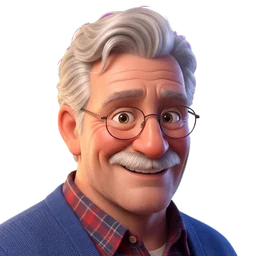
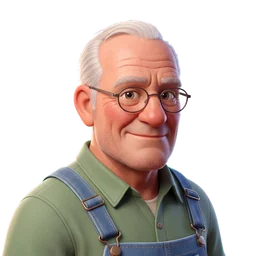
On a quiet evening walk home, John Avery Whittaker - Whit to his friends - introduces himself and his town of Odyssey, where he runs Whit's End, a bookstore, coffee shop, and "conversation place" he opened with his late wife Jenny. The shop has just two rules: nobody can be excluded from any conversation, and anyone eating apple pie must keep at least one foot on the floor.
Whit has barely reached his house when the phone rings. His friend Tom calls with big news: his cat Rosie has had kittens - triplets - and he hopefully offers one to Whit, who politely declines. Whit's only plan for the evening is a cup of hot cocoa and a Robert Louis Stevenson book, which briefly confuses Tom into thinking the long-dead author is coming over for a visit. Mid-conversation, Whit hears a strange noise from the garage. Guessing it might be a possum, he says goodbye to Tom, grabs a flashlight, and goes to investigate.
Instead of a possum, he finds Davy Morrison, the boy from across the street, who begs Whit not to shoot. Whit gently points out that "nobody ever got shot with a flashlight." Davy has crawled in through the doggy door and set up camp with a sleeping bag, a pillow, a lantern, and a bag of potato chips. He pleads with Whit not to call his house, warning that if he's taken home he'll only run away again, somewhere nobody will find him. His plan is to stay a couple of days, then get a job and buy a house. Whit doesn't lecture him. Instead he asks Davy to help him understand, and the whole story spills out.
Davy's parents have been fighting for a long time, always behind a closed door. That day Davy hit a boy named Billy at school for refusing to play ball with him, and when his parents went into their room, he pressed his ear to the door expecting to hear them decide his punishment. What he heard instead broke his heart: his mom saying his dad didn't really love him, his dad calling his mom a bad mother, and finally his dad declaring he wasn't coming back and that they were getting a divorce. Davy has decided the fighting must be his fault - and that if he were out of the way, his parents would have nothing left to fight about.
Holding the crying boy close, Whit explains that sometimes the only difference between a grown-up and a child is that the grown-up is taller. When adults hurt, they say angry, selfish things they don't really mean. "What you really heard was their anger talking and their hurt," he tells Davy. He points to Billy: Davy wasn't really mad at Billy at all - his bottled-up anger just landed on him - and the same is true of his parents' fighting. It was never about Davy. When Davy asks whether his dad will come home and everything will be all right, Whit answers honestly that he doesn't know. But there is something Davy can do: go home and talk it all over with his mom, respectfully, lovingly, and as honestly as he has just talked with Whit.
When Whit opens the garage door to send him home, Davy spots something wonderful - his dad's car is in the driveway. He came back. Whit tempers the boy's hope with truth: even if his dad leaves again, Davy will still be his son, his mom will still be his mom, and God will be there no matter what. God doesn't always give us what we ask for, Whit says, but he is very good at turning terrible situations into good. Davy shyly asks if he can come talk again sometime, and Whit assures him he's welcome anytime - "but use the front door next time."
The next morning at Whit's End, Tom arrives early with Rosie and her kittens in a box, hoping to find them homes. Whit stands at the window watching the children on the school playground and grows thoughtful. He and Jenny were married thirty-three years before she passed away, and though they had their share of dandy fights, splitting up was never a thought - no problem was ever big enough to break up a family. Now, he tells Tom, half the kids on that playground come from broken homes. Tom offers that some people say divorce is better for children when parents can't get along, but Whit replies that such arguments don't carry much weight when you're eye to eye with a little guy who just lost half his family. Tom can only agree that it doesn't seem fair. "No, it isn't fair," Whit says quietly. "Not fair at all."